
PayPal Layoffs Expand in US: 251 San Jose Employees, Including Senior Engineers, Face Job Cuts
PayPal is set to eliminate 251 positions at its San Jose headquarters, with senior engineering and management roles among those affected as the company restructures operations and increases its focus on AI.
PayPal Layoffs Expand in US: 251 San Jose Employees, Including Senior Engineers, Face Job Cuts
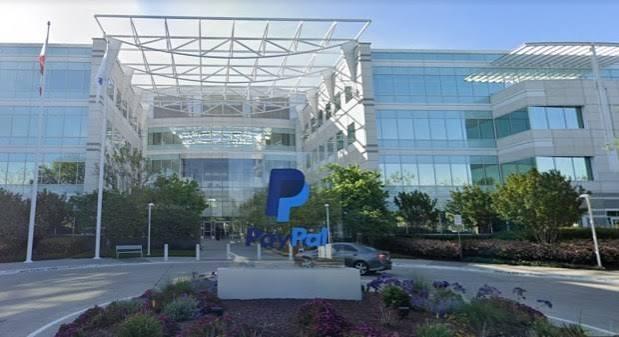
PayPal is preparing for another round of layoffs in the United States, with 251 employees at its San Jose headquarters set to lose their jobs as the payments company continues a sweeping restructuring programme.
The latest cuts come shortly after PayPal reduced its workforce in India and form part of a broader multi-year transformation aimed at lowering costs, simplifying the company's organisational structure and redirecting resources towards artificial intelligence and automation.
According to a filing submitted to California's Employment Development Department, the San Jose job cuts are scheduled to take effect on October 30, 2026.
Senior employees and engineers among those affected
The latest round is notable because it includes a substantial number of experienced and highly paid employees.
Details cited from the state filing indicate that the affected workforce includes more than 100 engineering-related positions, including more than 50 senior software engineering roles. Nearly 50 directors and more than 40 senior managers are also reportedly among those facing redundancy.
The reductions highlight how PayPal's restructuring is extending beyond entry-level or routine positions to include senior technical and managerial layers.
Previous PayPal job postings have indicated that some senior director positions can command annual compensation exceeding $300,000, according to reports cited by US media.
The layoffs therefore represent a significant restructuring of the company's higher-paid workforce as PayPal looks for ways to reduce operating costs.
Why is PayPal cutting jobs?
PayPal's latest workforce reduction is part of a larger transformation strategy announced earlier this year.
The company has been under pressure to improve its performance in an increasingly crowded digital-payments industry. Traditional payment platforms are competing not only with established financial companies but also with technology giants and fintech firms offering increasingly integrated payment services.
Companies such as Apple and Google have expanded their presence in digital payments, while fintech businesses including Stripe and Klarna have strengthened competition in areas traditionally dominated by PayPal and other established players.
The company has consequently been looking to eliminate organisational duplication, reduce management layers and make its operations more efficient.
PayPal has said the restructuring is intended to simplify its global operations and improve execution while creating a stronger foundation for long-term growth.
PayPal targets major cost savings
The workforce reductions are tied to an ambitious cost-cutting programme.
The company's broader restructuring plan is expected to reduce its global workforce by approximately 20%, equivalent to around 4,760 positions based on previously reported headcount figures.
PayPal has indicated that the programme could generate approximately $1.5 billion in savings over two to three years, with a significant portion of those savings expected to be realised earlier in the programme.
Rather than simply reducing expenditure, the company is also attempting to redirect investment towards technologies that it believes can improve productivity and competitiveness.
AI and automation become central to PayPal's strategy
Artificial intelligence is increasingly becoming part of PayPal's restructuring plans.
Company leadership has highlighted greater adoption of AI and automation as a priority while simultaneously removing what it considers unnecessary organisational layers and duplicated functions.
For PayPal, the objective is to use technology to streamline internal operations while improving products and services for customers.
The strategy reflects a broader trend across the technology industry, where companies are reassessing workforce requirements as AI tools become capable of automating portions of software development, customer support, administration and other knowledge-based tasks.
PayPal's layoffs are therefore part of a wider technology-sector shift in which companies are attempting to balance investment in AI with pressure to maintain profitability.
India also affected by PayPal restructuring
The US layoffs follow job reductions in India, demonstrating that the restructuring is not limited to PayPal's American operations.
The company has been gradually disclosing details of different workforce reductions as it implements its multi-year transformation programme across its global business.
The cuts in multiple locations suggest that PayPal is pursuing a company-wide reorganisation rather than a single-market adjustment.
For employees, however, the restructuring means uncertainty across several of the company's major technology and operational centres.
Broader technology-sector layoffs continue
PayPal's announcement comes amid another year of substantial job losses across the global technology industry.
Companies across Silicon Valley and other technology hubs have continued to reduce headcount while investing heavily in AI infrastructure, automation and new products.
Layoffs have affected employees at major technology and technology-adjacent companies, including businesses in e-commerce, ride-hailing, cloud computing and consumer technology.
The trend indicates a shift in corporate priorities: businesses are increasingly seeking leaner organisational structures while directing a larger share of their spending towards artificial intelligence.
What happens next at PayPal?
The San Jose layoffs are scheduled for the end of October, but PayPal's wider transformation is expected to continue beyond the current round.
The company is attempting to balance cost reduction with investment in technologies that could help it compete more effectively in digital payments.
For investors, the key question will be whether the restructuring produces the promised efficiency gains without weakening PayPal's ability to develop products and compete with rapidly expanding fintech and Big Tech rivals.
For employees, meanwhile, the latest announcement underscores the scale of the transformation underway at one of the world's best-known online payments companies.
More Stories

Samsung Galaxy S26 FE First Impressions: Premium Design, Exynos 2500 and Galaxy AI Aim to Challenge Costly Flagships
7 Sept 2026

Alternative-Fuel Cars Surpass Petrol in India for First Time as CNG, Hybrid and EV Demand Rises
7 Sept 2026

Infosys Co-Founder Shibulal-Backed Shikshagraha Partners With Teach For India to Expand Public-School Reforms
1 Sept 2026

ChatGPT, Roblox and Reddit Face EU’s Strictest Online Rules Under Digital Services Act
31 Aug 2026