
Volkswagen Future Plan 2030: 100,000 Jobs at Risk as Car Giant Cuts Models and Costs
Volkswagen is embarking on one of the biggest transformations in its history, combining around 100,000 cumulative workforce reductions with a sharply smaller model portfolio as it battles rising competition, excess capacity and weak profitability.
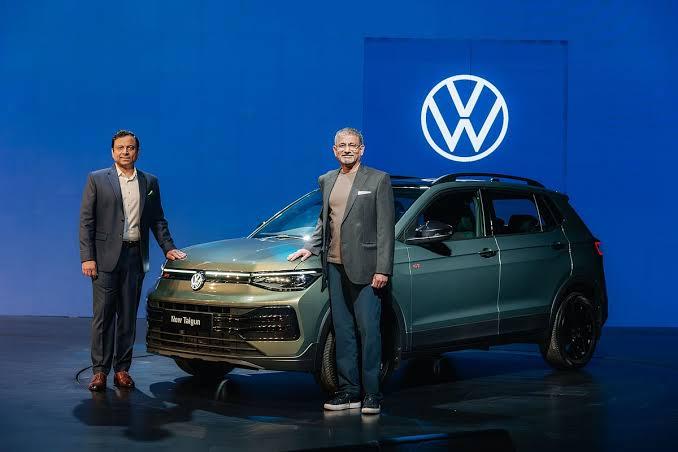
Volkswagen Future Plan 2030: 100,000 Jobs at Risk as Car Giant Cuts Models and Costs
Volkswagen Group is entering a new phase of restructuring that could ultimately affect around 100,000 positions, as the German automotive giant attempts to reduce costs, simplify its sprawling product range and restore competitiveness by 2030.
However, the figure needs some context. Volkswagen's latest Future Plan 2030 does not represent 100,000 newly announced layoffs. The company says roughly 50,000 positions had already been agreed for reduction, while its new plan identifies the need for an additional workforce adjustment of approximately 50,000 positions, including management roles.
The plan was unanimously approved by Volkswagen's Supervisory Board on September 3, 2026, marking a major acceleration of the group's ongoing transformation.
Volkswagen wants fewer cars, but stronger models
One of the most striking elements of the strategy is a major reduction in the number of models Volkswagen Group offers.
The company plans to streamline its model portfolio by up to 50% and cut product and equipment complexity by as much as 75%. Instead of spreading engineering, manufacturing and marketing resources across a huge number of variants, Volkswagen wants to concentrate investment on models with stronger customer demand and better financial returns.
The strategy is built around a straightforward industrial calculation: fewer variants should allow higher production volumes per model, lower development costs and greater economies of scale.
Volkswagen has even highlighted the scale of the simplification planned for vehicle configurations. For example, the company says it intends to reduce seat configuration choices from more than 2,300 to roughly 100.
Why is Volkswagen restructuring so aggressively?
The German automaker is dealing with several pressures simultaneously.
Competition in the global automotive market has intensified, particularly from Chinese manufacturers. At the same time, Volkswagen is facing changing consumer demand, technological disruption, regional differences in electric-vehicle adoption and significant manufacturing overcapacity in Europe.
The company's strategy therefore goes beyond cutting employees. Volkswagen wants to redesign how its brands develop vehicles, share technologies and allocate production capacity.
Its future plan calls for greater standardisation of platforms, electronic architectures and software systems while reducing duplicated technology development across the group.
China and North America are central to the turnaround
Volkswagen's global strategy is also changing geographically.
The group plans to focus on more profitable segments in North America, while adjusting its expectations for the Chinese market and expanding exports from China towards markets in the Global South.
China has become particularly challenging for established European manufacturers as domestic carmakers have become more competitive in electric vehicles, software and pricing.
Volkswagen is responding by tailoring products and technologies more closely to regional requirements rather than relying on a single global formula.
The company's China strategy also includes a major product offensive. Volkswagen has said more than 20 electrified vehicles are coming to the Chinese market during 2026, with the broader lineup expected to expand further by 2030.
German factories face an uncertain future
The restructuring also has significant implications for Volkswagen's manufacturing footprint in Germany.
Volkswagen has said European production capacity exceeds demand by more than 500,000 vehicles. As the company adjusts production to market conditions, the future allocation of some German plants remains uncertain.
The company has specifically highlighted facilities including Emden, Zwickau, Hanover and Neckarsulm, where future product allocations beyond the current planning period are being assessed.
This does not automatically mean every plant will close. Instead, Volkswagen is examining alternative uses and restructuring options as it attempts to align its industrial network with lower and more regionally concentrated production requirements.
The 50,000 additional job adjustment
The workforce component is one of the most closely watched parts of the Future Plan 2030.
Volkswagen's official plan says a group-wide adjustment of approximately 50,000 positions will be necessary, including management positions. This comes on top of around 50,000 job reductions already agreed across Volkswagen, Audi, Porsche and software subsidiary CARIAD.
Volkswagen has stressed that many of the previously agreed reductions are being handled through socially responsible and voluntary measures, including partial early retirement.
The company said in a recent update that approximately 37,000 agreements had already been signed under the existing programme.
That distinction is important because the widely cited 100,000-job figure describes the cumulative scale of the workforce adjustment, rather than an announcement that 100,000 employees will suddenly be dismissed.
Volkswagen wants to cut complexity across the business
The restructuring extends beyond factories and employees.
Volkswagen intends to simplify its management structure, shorten decision-making chains and eliminate parallel operations across its brands and subsidiaries.
The company is also reviewing its investment portfolio. Businesses and holdings that do not make a clear strategic or financial contribution to Volkswagen's core automotive operations could be sold, restructured or otherwise realigned.
Volkswagen says its investment portfolio is expected to be streamlined by around one-third as part of the broader transformation.
The financial target is ambitious
Volkswagen's restructuring ultimately comes down to profitability.
The company is targeting an operating margin of around 9% by 2030, compared with roughly 4% currently. Its broader financial ambition has been described as an 8-10% operating return on sales by the end of the decade.
The group is also planning around annual deliveries of approximately 9 million vehicles under the new market assumptions.
That combination—fewer models, lower complexity, lower costs and higher volumes per model—is intended to make each vehicle more profitable rather than simply maximising the number of models sold.
More than €6 billion in annual savings targeted
Volkswagen has already made progress on its cost programme.
The company said workforce reductions and collective bargaining measures generated sustainable cost effects of around €1 billion in 2025. Including reductions in technical production capacity, Volkswagen is targeting more than €6 billion in annual net cost savings by 2030.
The savings are expected to help fund future investments while improving the company's ability to withstand fluctuations in global demand.
Investment will continue despite the layoffs
The restructuring does not mean Volkswagen is simply entering a cost-cutting mode.
CEO Oliver Blume has said the company plans to invest a three-figure-billion-euro sum in the coming years to strengthen its brands, products and technologies.
The strategy is therefore effectively a reallocation of resources: less money and manpower tied up in duplicated structures and low-volume variants, and more directed towards technologies and products Volkswagen believes can generate stronger returns.
What the Future Plan 2030 means for Volkswagen
Volkswagen's latest strategy represents a fundamental shift from the group's traditional approach of maintaining an enormous range of models, variants and technologies across multiple brands.
The company is now betting on fewer products, greater scale, simpler structures and stronger regional strategies.
The challenge will be executing that transformation without damaging the brand portfolio or losing market share during a period when Chinese manufacturers, EV specialists and technology companies are rapidly changing the automotive landscape.
If Volkswagen succeeds, the restructuring could lower its cost base and significantly improve profitability. If demand continues to weaken or competition intensifies faster than expected, however, the group could face further pressure to reduce capacity.
For now, the Future Plan 2030 makes one thing clear: Volkswagen is preparing for a substantially smaller and leaner organisation while betting heavily on a more focused product portfolio and higher-value technologies.
Tags
More Stories
Samsung India job cuts: Nearly 100 executives asked to leave as company restructures TV and home appliance businesses
8 Sept 2026

Dividend Alert: NSDL, IREDA, Kalyan Jewellers and 11 other stocks to turn ex-dividend this week
8 Sept 2026

Biocon secures 10-year Brazil deal for Pertuzumab with 100% PDP allocation
8 Sept 2026

Uber Layoffs 2026: Why the Company Is Cutting 3,300 Jobs Despite Strong Growth
7 Sept 2026