
AI-Powered Russian Drone Raises New Fears After Civilian Deaths in Ukraine
A Russian drone strike in Zaporizhzhia that killed a 19-year-old university student and two others has raised fresh concerns over the use of artificial intelligence in warfare after experts said the drone may have selected its final target autonomously.
AI-Powered Russian Drone Raises New Fears After Civilian Deaths in Ukraine
A deadly Russian drone strike in Zaporizhzhia, southeastern Ukraine, has highlighted growing concerns over the use of artificial intelligence to make targeting decisions on the battlefield.
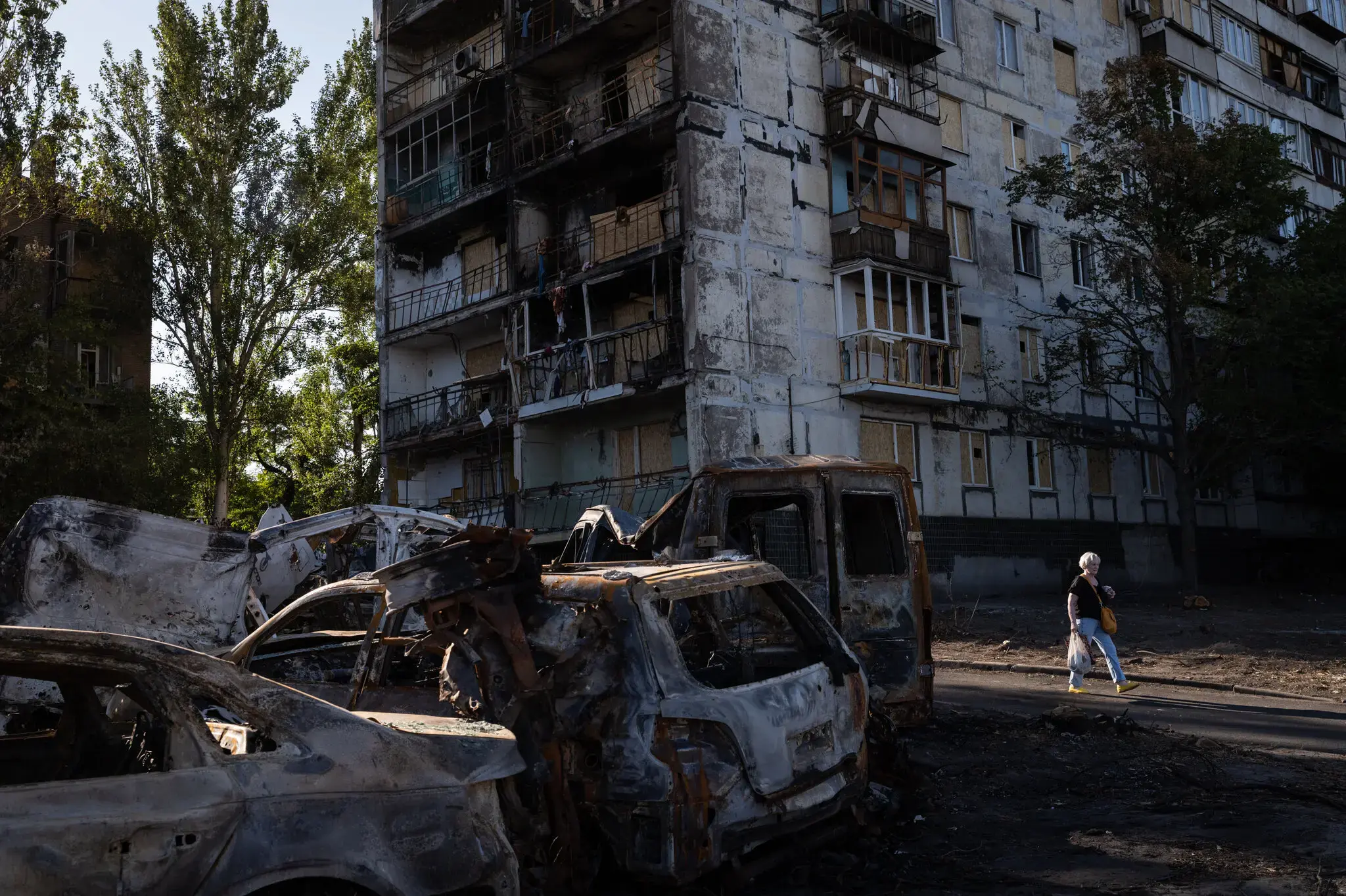
The incident last month killed 19-year-old university student Tetiana Bubynets and two other people after a small Russian drone crashed near a gas station and exploded.
According to drone specialists, Ukrainian military commanders and forensic investigators who examined debris from the strike and other attacks in the city, the drone involved may have been operating with an experimental AI-based targeting system.
Drone Reportedly Chose Its Final Target
The drone was reportedly programmed by human operators to fly toward a specific gas station. However, experts said that after reaching the area, its targeting system may have independently identified what it considered the intended target.
The system was believed to have been trained to recognize objects such as propane tanks and could then guide the drone toward the selected object without requiring a human operator to make the final targeting decision.
The distinction is significant because it suggests that humans may have determined the general destination while the onboard system handled the final stage of target selection.
Civilian Deaths Raise Concerns Over Autonomous Weapons
The reported strike has intensified debate over the growing role of autonomous technology in modern warfare.
Ukraine has become a major testing ground for increasingly sophisticated drone technology, with both sides developing systems designed to operate in environments where traditional communication links can be disrupted or jammed.
The use of AI-assisted targeting introduces a new concern: whether a machine can reliably distinguish military objectives from civilian locations before carrying out an attack.
In Zaporizhzhia, the consequences were deadly. The drone crashed into a wall near the gas station before exploding, sending shrapnel through the surrounding area.
Ukrainian Commander Warns of Wider Threat
The development has alarmed Ukrainian military officials who monitor drone attacks in the region.
Col. Serhiy Minaiev, commander of air defenses in Zaporizhzhia, warned that increasingly autonomous weapons could pose a threat far beyond the current conflict.
He said the prospect of machines independently making decisions about where to strike could become a global security concern as the technology advances.
AI Could Change the Future of Warfare
The reported incident illustrates how artificial intelligence is beginning to move beyond traditional military applications such as surveillance and image analysis.
If weapons can identify and select targets without continuous human control, questions surrounding human oversight, accountability and civilian protection could become increasingly important.
Military technology experts have long warned that autonomous weapons could fundamentally change the nature of warfare by allowing machines to process battlefield information and react faster than human operators.
The incident in Zaporizhzhia has now brought those concerns into sharper focus, particularly as Russia and Ukraine continue to develop increasingly advanced drone systems.
More Stories

Iranian State TV Airs Threat Targeting Barron Trump, Reports $10 Million Bounty
24 Aug 2026

Putin, Xi Jinping and Middle East Tensions Put India’s BRICS Summit in Focus
24 Aug 2026
Nearly 90,000 Evacuated as Fast-Moving Wildfire Reaches Reno Outskirts in Nevada
24 Aug 2026

US-Canada Trade War Deepens as Trump Tariffs Threaten Higher Prices for Americans
24 Aug 2026