
US-Canada Trade War Deepens as Trump Tariffs Threaten Higher Prices for Americans
Trade tensions between the United States and Canada are escalating after talks collapsed, with new 50% US tariffs on about $20 billion of Canadian goods and retaliatory duties from Ottawa expected to put pressure on businesses and consumers.
US-Canada Trade War Deepens as Trump Tariffs Threaten Higher Prices for Americans
The United States and Canada are heading toward a fresh escalation in their trade dispute after negotiations failed to produce an agreement, setting the stage for another round of tariffs between the two closely linked economies.
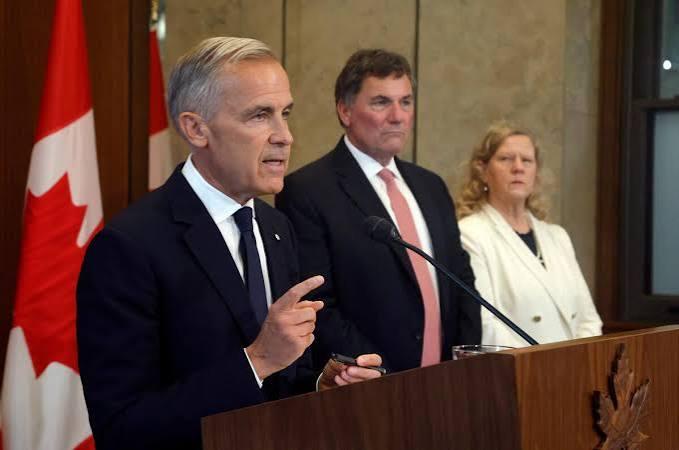
US President Donald Trump has imposed 50% tariffs on roughly $20 billion worth of Canadian goods, while Canadian Prime Minister Mark Carney has announced plans for matching “dollar-for-dollar” retaliation beginning September 8.
The latest measures could increase costs for companies that depend on Canadian suppliers, particularly when alternative sources are more expensive or difficult to find.
Businesses Face Difficult Choices
US companies importing products affected by the tariffs now have several options. They can stop purchasing the goods, continue importing them while paying the higher duties or search for alternative suppliers.
However, switching suppliers may not necessarily eliminate the additional costs.
Many American companies source products from Canada because of factors such as price, proximity and established supply chains. Finding another supplier that can provide the same products at a comparable cost could prove difficult.
Businesses are also facing higher energy and transportation expenses amid the ongoing conflict involving Iran and disruption around the Strait of Hormuz. With operating costs already under pressure, companies may have less flexibility to absorb the impact of the new tariffs.
As a result, some of the additional costs could eventually be passed on to American consumers through higher prices.
Paper Products Could Become More Expensive
A range of Canadian paper and paper-based products are covered by the new tariffs.
The affected goods include parchment paper, paper cups and plates, kraftliner and several types of plywood.
Kraftliner, a durable form of paperboard, is widely used as the outer layer of cardboard packaging.
US trade data shows that the broader categories containing these products represented approximately $1.5 billion in US imports from Canada last year.
Higher import costs could therefore affect not only retailers but also businesses that rely on Canadian paper products for packaging and shipping.
Alcohol Trade Faces Another Setback
Canadian wine, beer and spirits, including whiskey, vodka and gin, are also among the products facing the new tariffs.
The United States imported roughly $1.5 billion worth of alcoholic beverages from Canada last year, according to trade data.
Alcohol has already been a major point of disagreement between Washington and Ottawa. Several Canadian provinces removed American alcoholic products from government-controlled liquor stores following earlier US tariff measures, and many of those restrictions remain.
During the latest negotiations, Carney urged provincial leaders to consider allowing American alcohol products back onto Canadian shelves in an effort to ease tensions and help secure a trade agreement.
Canadian Dairy Also Caught in Tariff Dispute
Canadian dairy products are another major category affected by the latest trade measures.
The list includes milk, cheese, butter and whey, with the United States importing approximately $780 million worth of Canadian dairy products last year.
Trump has repeatedly accused Canada of unfairly restricting American dairy products from accessing its market. The issue has remained one of the contentious points in the broader trade negotiations.
Retaliation Could Escalate the Dispute
Canada's planned retaliatory tariffs could further intensify the dispute if they take effect as announced on September 8.
Any additional response from Washington could increase costs for businesses operating across the US-Canada supply chain, potentially affecting manufacturers, retailers and consumers in both countries.
For American households, the immediate concern is whether higher import costs will eventually translate into more expensive everyday products.
If the tariff confrontation continues, companies may increasingly look for alternative suppliers, while consumers could face higher prices for products ranging from household paper goods to alcoholic beverages and dairy products.
More Stories

Iranian State TV Airs Threat Targeting Barron Trump, Reports $10 Million Bounty
24 Aug 2026

Putin, Xi Jinping and Middle East Tensions Put India’s BRICS Summit in Focus
24 Aug 2026

Nearly 90,000 Evacuated as Fast-Moving Wildfire Reaches Reno Outskirts in Nevada
24 Aug 2026

AI-Powered Russian Drone Raises New Fears After Civilian Deaths in Ukraine
24 Aug 2026