
Indian Highly Skilled Professionals Face Up to 179-Year Wait for US Green Card
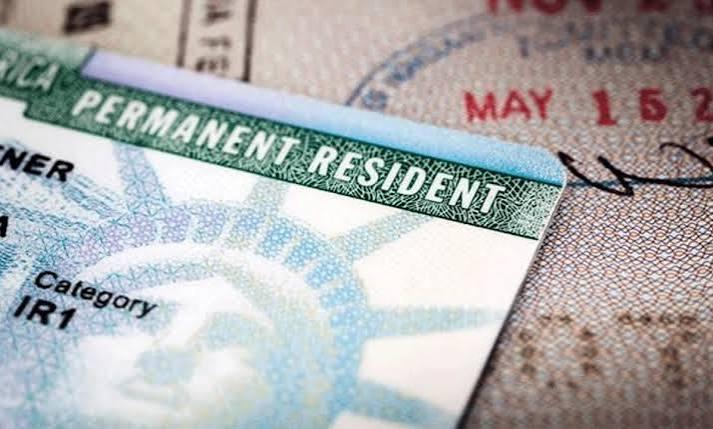
Indian professionals seeking US employment-based permanent residency could face waits stretching for decades, with some EB-2 applicants potentially looking at a staggering 179-year wait, according to a new analysis.
Indian Highly Skilled Professionals Face Up to 179-Year Wait for US Green Card
Highly skilled Indian professionals hoping to secure permanent residency in the United States could face extraordinarily long waits under the employment-based Green Card system, with a new analysis estimating that some applicants may have to wait as long as 179 years.
The findings highlight the severe backlog faced by Indian nationals in the US employment-based immigration system. Nearly one million Indians and their dependents are estimated to be waiting across the major employment-based Green Card categories.
Indian applicants have been particularly affected by the US country-based limits on employment Green Cards. Under the system, nationals of any single country are generally subject to a 7% annual limit, regardless of the size of the demand from that country.
The backlog is especially severe in the EB-2 category, which covers professionals with advanced degrees and workers with exceptional ability.
According to the latest analysis, an Indian professional with an employment-based petition or labour certification filed in January 2026 or later could potentially face a wait of around 179 years for an EB-2 Green Card.
The estimated wait is considerably shorter in other categories. The analysis puts the potential wait for Indian applicants in the EB-3 category at about 38 years, while the EB-1 category could involve a wait of roughly five years.
The EB-1 category is generally intended for individuals with extraordinary ability, outstanding professors and researchers, and certain multinational executives and managers.
The United States makes around 140,000 employment-based Green Cards available each year, with demand shared among different preference categories. Country-based restrictions have contributed significantly to the accumulation of applications from India.
The scale of the Indian backlog has become a major concern for technology professionals, engineers, researchers and other highly skilled workers who may spend many years in the US while remaining uncertain about their path to permanent residency.
The situation is also being watched closely by US employers that depend on international talent, particularly in technology, engineering, science and other specialised fields.
The growing immigration backlog comes at a time when the US is facing increased competition from countries seeking to attract highly skilled international workers. Canada, the UK, Australia and Gulf countries have continued developing immigration pathways aimed at skilled professionals.
For Indian professionals already working in the US on temporary employment visas, the Green Card backlog can mean extended periods of uncertainty over long-term residency and career planning.
The latest estimates underline the disproportionate impact that the employment-based immigration system can have on Indian applicants, who account for a substantial share of the outstanding backlog.
Tags
More Stories

India Attracts Record $136.38 Billion in Forex Inflows, Strengthening Rupee Defence
2 Sept 2026
Piyush Goyal Hits Back at Opposition Over GDP Debate, Says 7.8% Growth Is ‘A Reality’
2 Sept 2026
Supreme Court to Hear Challenge in Kapaleeswarar Temple Peacock Idol Case on September 2
1 Sept 2026

Supreme Court Refuses Plea Seeking Ethanol Percentage Disclosure on Petrol Nozzles and Bills
31 Aug 2026