
Iran, Oman Reach Initial Agreements on Strait of Hormuz Revenue Sharing
Iran and Oman have reached initial understandings on how to manage parts of the Strait of Hormuz and share potential revenues, according to Iran’s Revolutionary Guards, although a senior Iranian source later said the deal has not yet been fully finalized.
Iran, Oman Reach Initial Agreements on Strait of Hormuz Revenue Sharing
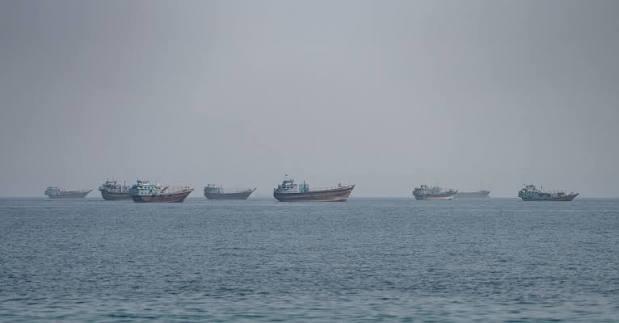
Iran and Oman have reached agreements concerning their respective shares of the Strait of Hormuz and revenues linked to the strategic waterway, Iran's Revolutionary Guards said on Wednesday, according to the semi-official Tasnim news agency.
The announcement marks a significant development in negotiations over the future management of the Strait of Hormuz, one of the world's most important maritime routes for oil and gas shipments.
According to the Revolutionary Guards spokesperson, Iran and Oman discussed and reached understandings on each country's share of the waters and revenues generated from the waterway.
The spokesperson also accused the United States of obstructing negotiations between Tehran and Muscat, saying American pressure had contributed to delays in the discussions.
Deal details remain unclear
Despite the Revolutionary Guards' announcement, the status of the agreement remains uncertain.
A senior Iranian source later told Reuters that Iran and Oman were still working on the details and that a final agreement had not yet been completed.
The disagreement over the precise terms comes as both countries attempt to establish a framework for maritime traffic through the Strait of Hormuz.
Earlier discussions have included proposals for designated shipping routes and mechanisms for managing commercial vessels passing through the strategic waterway.
Why the Strait of Hormuz matters
The Strait of Hormuz connects the Persian Gulf with the Gulf of Oman and is a critical route for global energy supplies.
Any prolonged disruption to shipping through the waterway can affect oil prices, insurance costs and international trade. Recent negotiations between Iran and Oman have therefore been closely watched by energy markets and governments around the world.
The latest developments have also contributed to movements in global oil prices as investors assess the possibility of improved shipping conditions.
US remains a key factor
The United States has opposed arrangements that could restrict international navigation or introduce fees for vessels using the Strait.
Earlier reports indicated that Iran had sought fees on cargoes passing through the waterway, while Oman had discussed a lower fee structure. Washington has pushed for shipping through the strait without such charges.
Iran has continued to link the full reopening of the waterway to broader negotiations with the United States.
The latest Iran-Oman discussions could therefore become an important part of wider diplomatic efforts to restore stable commercial shipping through the Strait of Hormuz.
Tags
More Stories

US Toilet Paper Prices Could Rise as Trade War With Canada Escalates
26 Aug 2026

Nepal Floods: 11 Hydropower Plants, 40 Roads, 19 Bridges and Over 10 Banks Damaged
26 Aug 2026

133 Indians Missing in Nepal Flash Floods; 55 Dead, Bihar and UP Borders on Alert
26 Aug 2026
China Rejects New US Sanctions on Iran, Warns It Will Protect Trade Interests
26 Aug 2026