
China Rejects New US Sanctions on Iran, Warns It Will Protect Trade Interests
China has condemned the United States' planned expansion of sanctions against Iran and its trading partners, warning that Beijing will take necessary steps to protect its interests amid rising tensions between Washington and Tehran.
China Rejects New US Sanctions on Iran, Warns It Will Protect Trade Interests
China has strongly opposed the United States' planned expansion of economic sanctions against Iran and countries that continue to trade with Tehran, warning that Beijing will take measures to safeguard its interests.
Chinese Foreign Ministry spokesman Lin Jian said Beijing firmly rejects what it described as "illegal unilateral sanctions" imposed by Washington.
"Cooperation between China and Iran has always been conducted within the framework of international law and should not be interfered with or disrupted," Lin said, adding that China would take "all necessary measures" to protect its legitimate rights.
US Announces Wider Economic Pressure
The Chinese response came after US Treasury Secretary Scott Bessent announced a new round of measures aimed at increasing economic pressure on Iran.
Bessent warned that countries, banks and businesses continuing financial dealings with Tehran could face isolation from the US financial system.
He described the campaign as the "single greatest financial offensive ever" against Iran and said President Donald Trump would contact foreign leaders with specific requests to end economic interactions with the Iranian government.
When asked specifically about Chinese financial institutions, Bessent said no country or institution was beyond the reach of US sanctions.
China Is Iran's Biggest Oil Buyer
China remains Iran's largest buyer of crude oil, despite previous US efforts to restrict Tehran's energy exports.
Analysts say China's continued purchases could significantly limit the effectiveness of Washington's latest measures.
David Oxley, chief climate and commodities economist at Capital Economics, said the direct impact of the new sanctions on Iranian energy revenues could be limited in the short term.
Around 90% of Iran's oil exports reportedly go to China, making Beijing a crucial market for Tehran.
Rare Earths Could Become A Pressure Point
Washington will also have to consider the possibility of retaliation from Beijing.
China dominates the processing of rare earth elements and other critical minerals that are essential for high-tech manufacturing. Beijing has previously tightened controls on rare earth exports during trade disputes with the United States.
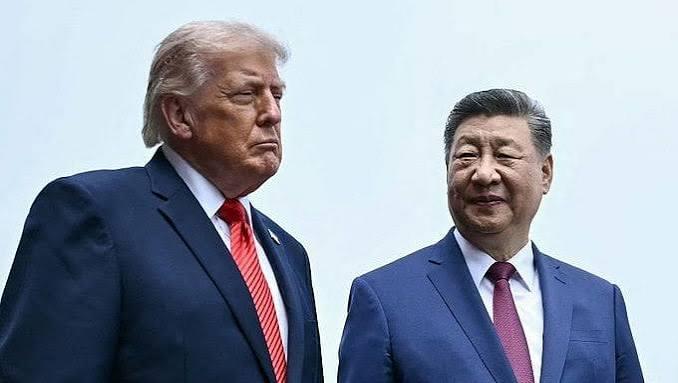
The latest sanctions announcement also comes ahead of a planned meeting between Trump and Chinese President Xi Jinping next month, potentially adding another contentious issue to the bilateral relationship.
Iran Says It Is Ready For Sanctions
Iranian Economy Minister Ali Madanizadeh said Tehran was prepared for the expanded US sanctions and claimed the measures would ultimately become another setback for Washington.
He said the Iranian government had a two-year plan to manage the economic impact and had been preparing for the measures for some time.
The United States has labelled its latest campaign "Operation Economic Outcast" and described it as an economic "D-Day" against Iran.
Bessent said the Treasury had identified financial networks, facilitators and channels allegedly used by Iran to evade sanctions and had imposed measures against nearly 60 entities, individuals and vessels.
Sanctions Come Amid Ongoing Iran War
The new measures come nearly six months after the beginning of the Iran war.
The conflict has contributed to higher global oil prices, while disruptions around the Strait of Hormuz have affected one of the world's most important energy and shipping routes.
Diplomatic efforts to end the conflict have so far failed, while a 60-day ceasefire formally expired last week without a lasting settlement.
The British government said it supported US efforts to find a diplomatic solution while welcoming increased pressure on Tehran.
Experts Question Effectiveness
Some analysts have questioned whether the expanded sanctions will significantly reduce Iran's oil revenues.
Ali Vaez of the International Crisis Group said China has consistently opposed unilateral US sanctions and is unlikely to accept Washington's demands simply because of the latest measures.
He also noted that countries including Pakistan, Turkey and Iraq may find it difficult to sever economic ties with Iran because of their geographic and economic relationships with Tehran.
India and Russia are also among Iran's important trading partners that could potentially be affected by the US measures, although neither country had immediately responded.
The confrontation now threatens to add another layer of tension to US-China relations, with Beijing signalling that it will not easily accept Washington's attempt to restrict its economic engagement with Iran.
Tags
More Stories
Iran, Oman Reach Initial Agreements on Strait of Hormuz Revenue Sharing
26 Aug 2026

US Toilet Paper Prices Could Rise as Trade War With Canada Escalates
26 Aug 2026
Nepal Floods: 11 Hydropower Plants, 40 Roads, 19 Bridges and Over 10 Banks Damaged
26 Aug 2026
133 Indians Missing in Nepal Flash Floods; 55 Dead, Bihar and UP Borders on Alert
26 Aug 2026