
US Warns Countries Against Helping Iran Evade Sanctions After Modi-Pezeshkian Meeting
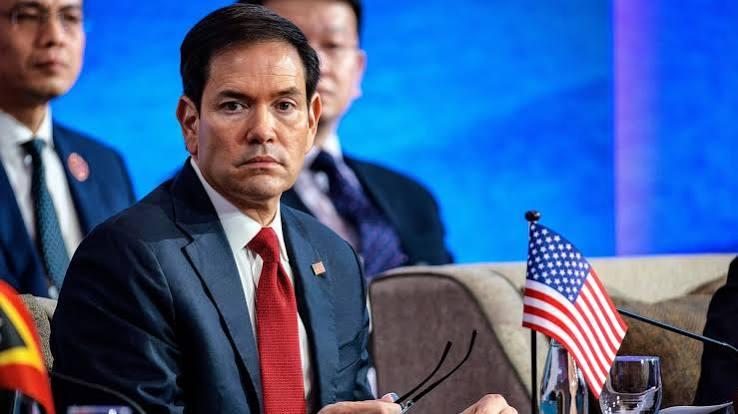
The United States has warned countries against helping Iran bypass sanctions, a day after Prime Minister Narendra Modi met Iranian President Masoud Pezeshkian on the sidelines of the Shanghai Cooperation Organisation summit in Bishkek.
US Warns Countries Against Helping Iran Evade Sanctions After Modi-Pezeshkian Meeting
The United States has issued a fresh warning to countries dealing with Iran, saying governments that help Tehran bypass American sanctions could themselves face sanctions.
US Secretary of State Marco Rubio made the remarks a day after Prime Minister Narendra Modi held a meeting with Iranian President Masoud Pezeshkian on the sidelines of the Shanghai Cooperation Organisation (SCO) summit in Bishkek.
Speaking during an interview on The Brian Kilmeade Show on Fox News Radio, Rubio was asked about the Modi-Pezeshkian meeting and whether the two leaders were discussing a potential trade arrangement.
Rubio said countries have the right to pursue their own foreign policies and noted that governments around the world maintain communication with Iran.
However, he stressed that Washington does not want countries to create financial or commercial mechanisms that could allow the Iranian government to generate revenue that the US believes could be used to support terrorism or advance its nuclear programme.
Rubio warned that countries helping Iran circumvent US sanctions could face consequences themselves.
The remarks come as India continues to maintain diplomatic and economic engagement with Iran while also strengthening its relationships with the United States and other major global powers.
What Modi Said at the SCO Summit
Modi’s meeting with Pezeshkian took place as the conflict in West Asia entered its sixth month, with diplomatic efforts yet to produce a lasting peace agreement.
Addressing the SCO summit, Modi said conflicts in one part of the world can have consequences far beyond the immediate region. He pointed to the impact of the West Asia crisis on global energy security, maritime trade and supply chains, particularly affecting countries across the Global South.
India’s position, Modi said, remains that tensions and conflicts should be resolved through dialogue and diplomacy rather than military action.
The Prime Minister also highlighted the broader economic consequences of prolonged geopolitical instability, including risks to energy supplies and international trade routes.
The Modi-Pezeshkian meeting was their first direct meeting since the outbreak of the latest war in West Asia. Their talks are being closely watched because of India’s longstanding ties with Iran and the country’s strategic interests in the region.
The US warning adds another layer of complexity to India’s engagement with Tehran. Washington has continued to enforce sanctions targeting Iran’s revenue-generating activities, while New Delhi has sought to maintain strategic autonomy in its foreign policy.
Rubio’s comments indicate that the US is prepared to extend sanctions pressure beyond Iran if other countries are seen as deliberately helping Tehran circumvent restrictions.
For India, the challenge will be to balance its strategic partnership with Washington with its longstanding economic, connectivity and diplomatic interests involving Iran.
Tags
More Stories
Zelensky Warns Airlines to Avoid Russian Airspace as Ukraine Escalates Drone Strikes
2 Sept 2026
Trump Suggests Renaming Strait of Hormuz ‘Trump Strait’ Amid Growing US Tensions
2 Sept 2026

Lindsay Clancy Murder Trial: What Verdicts Can the Jury Consider?
1 Sept 2026
US Army Secretary Dan Driscoll Resigns After Months of Pentagon Tensions
1 Sept 2026