
Jamie Dimon Urges US to Rethink Russian Oil Pressure on India Amid 100% Tariff Threat
JPMorgan CEO Jamie Dimon has urged Washington to consider India’s refinery requirements and the wider impact on global oil markets before imposing further measures on buyers of Russian crude. His comments come as a new US law gives President Donald Trump authority to impose tariffs of up to 100% on major buyers of Russian oil.
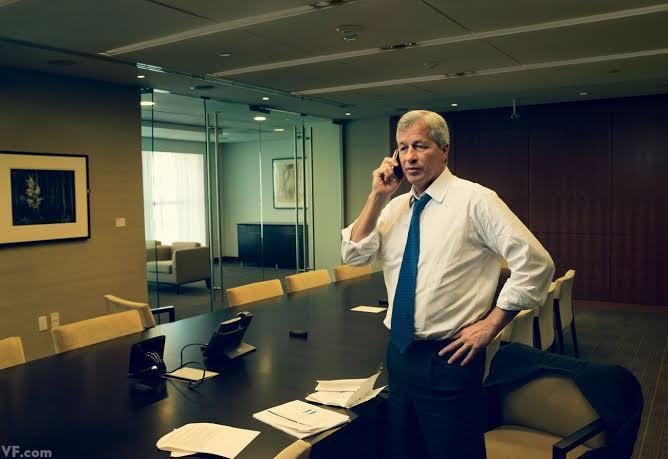
Jamie Dimon Urges US to Rethink Russian Oil Pressure on India Amid 100% Tariff Threat
Dimon Calls for a Closer Look at India’s Oil Needs
JPMorgan Chase CEO Jamie Dimon has called for greater US consideration of India’s energy requirements as Washington weighs tougher measures against countries purchasing Russian crude.
Speaking on the sidelines of the 11th annual J.P. Morgan India Conference in Mumbai on September 21-22, Dimon said the US should understand how Indian refiners use Russian oil before deciding on tariffs or other restrictions. J.P. Morgan’s conference brought together global investors, corporate executives and policymakers to discuss India and the global economy.
Dimon said some Russian crude is processed according to the specific requirements of Indian refineries. If those supplies are removed, refiners would have to turn to alternative sources, which may not necessarily provide crude with the characteristics required by particular plants.
He also questioned whether tariffs on oil would be the appropriate tool, while making clear that he supports efforts to put pressure on Russia and provide greater assistance to Ukraine.
US Sanctions Law Raises Pressure on India
Dimon’s comments come at a sensitive point in India-US economic relations. The US Congress recently passed the Lindsey O. Graham Sanctioning Russia and Iran Act of 2026, which authorises the US president to impose tariffs of up to 100% on countries that continue purchasing Russian energy. India and China are among the major countries potentially affected.
President Trump subsequently signed the legislation, giving his administration additional authority over potential measures against Russian oil buyers. The actual use and scope of any such tariffs remain subject to US policy decisions.
India has maintained that its energy policy is driven by the need to secure reliable and affordable supplies. New Delhi has also warned that measures targeting its Russian oil purchases could affect bilateral economic relations and international energy markets.
Dimon Also Backs India-US Trade Dialogue
Beyond the oil issue, Dimon called for the US and India to work toward completing their trade agreement, arguing that greater stability would benefit both sides.
His remarks add a business perspective to an increasingly complex debate involving energy security, sanctions, global oil supplies and India-US trade relations.
Key Takeaways
- Jamie Dimon urged Washington to consider India’s refinery requirements before imposing new oil-related measures.
- He questioned the use of tariffs on Russian crude while supporting efforts to pressure Moscow.
- US legislation allows potential tariffs of up to 100% on major buyers of Russian energy.
- India has said its energy policy is focused on securing reliable and affordable supplies.
- Dimon also called for progress on the India-US trade agreement.
Why This Matters
The Russian oil issue now sits at the intersection of India’s energy requirements and US efforts to increase economic pressure on Moscow. Any change in India’s access to Russian crude could have implications not only for refiners but also for international oil trade and the broader India-US economic relationship. Dimon’s comments highlight the need to consider those wider market effects alongside the geopolitical objectives behind the US measures.
More Stories
Iran Offers to Reopen Strait of Hormuz Within 7 Days as Houthis Advance in Yemen
22 Sept 2026

Houthis Capture Perim Island as Red Sea Shipping and Oil Routes Face New Risk
11 Sept 2026
China-Russia Plan for Arctic Trade Route Revives Forgotten Soviet Waterway
9 Sept 2026

Top 10 EV Cars in the World in 2026: Price, Range and Performance
9 Sept 2026