
Iran Offers to Reopen Strait of Hormuz Within 7 Days as Houthis Advance in Yemen
Iran has offered to reopen the Strait of Hormuz within seven days if the United States eases military pressure and lifts its blockade on Iranian ports, a senior Iranian official told Reuters. The diplomatic signal comes as Iran-backed Houthi forces push deeper into Yemen's highlands and tensions rise around the Red Sea and Gulf.
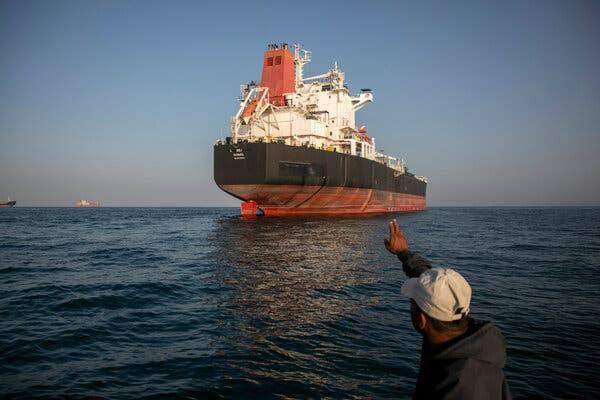
Iran Offers to Reopen Strait of Hormuz Within 7 Days as Houthis Advance in Yemen
Iran has signalled that the strategically vital Strait of Hormuz could be reopened within seven days if the United States reduces military pressure and lifts its blockade on Iranian ports, adding a potential diplomatic opening as the wider Middle East conflict continues.
A senior Iranian official told Reuters on Tuesday that Tehran wants Washington to formally commit to resolving the crisis through diplomacy before discussions on ending hostilities can move forward. Iran's delegation attending the UN General Assembly in New York has been given authority to pursue talks through mediators.
Iran's proposal was reportedly delivered to the United States through intermediaries on September 16. President Masoud Pezeshkian is also in New York but is not expected to meet President Donald Trump directly.
Hormuz reopening linked to diplomacy
The Strait of Hormuz is a critical global energy route. Reuters reported that only two commodity vessels crossed the waterway on Monday, compared with a pre-conflict average of about 125 large commercial vessels a day.
Iran's offer has already affected energy markets. Brent crude fell about 2% to around $98.33 a barrel on Tuesday amid expectations that a diplomatic breakthrough could restore shipping through the strait.
Houthis expand Yemen offensive
At the same time, Iran-aligned Houthi fighters are attempting to capture strategic highland positions in Yemen that could help them cut the Red Sea coast off from territory controlled by Saudi-backed forces.
Reuters reported that the Houthis are seeking control of the Kahboub Mountains in Taiz and Lahij provinces. Saudi Arabia has carried out hundreds of airstrikes against Houthi positions in recent days, according to Houthi statements. The United Nations estimates that nearly 700 people have been killed and thousands injured in the latest fighting, while about 130,000 Yemenis have been displaced internally.
The escalation has also raised concerns over Saudi Arabia's security after the Houthis claimed a missile attack on Riyadh over the weekend. Saudi authorities have not publicly confirmed the Houthi claim.
Uncertainty over US military action
The New York Times reported that the Trump administration had prepared airstrikes against the Houthis but that Trump called them off at the last moment. Reuters said it could not independently verify that report.
Separately, Yemen's internationally recognised President Rashad al-Alimi spoke with Trump by phone on Sunday and requested US military assistance. Sources told Reuters that Trump did not make a direct commitment to provide military support.
The developments leave two connected diplomatic and military tracks unfolding at the same time: Iran is signalling a possible reopening of Hormuz in exchange for reduced US pressure, while the Houthi advance continues to threaten security around the Red Sea and wider regional trade routes.
More Stories

Jamie Dimon Urges US to Rethink Russian Oil Pressure on India Amid 100% Tariff Threat
22 Sept 2026

Houthis Capture Perim Island as Red Sea Shipping and Oil Routes Face New Risk
11 Sept 2026
China-Russia Plan for Arctic Trade Route Revives Forgotten Soviet Waterway
9 Sept 2026

Top 10 EV Cars in the World in 2026: Price, Range and Performance
9 Sept 2026