
Top 10 EV Cars in the World in 2026: Price, Range and Performance
From the Lucid Air and Porsche Taycan to the Tesla Model 3 and BMW iX3, these are 10 of the world’s best electric cars based on price, range, performance and technology.
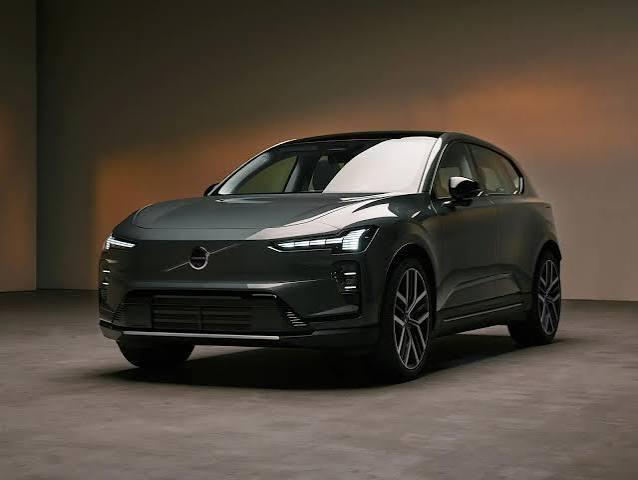
Top 10 EV Cars in the World in 2026: Price, Range and Performance
Electric vehicles have moved far beyond being alternatives to petrol and diesel cars. In 2026, the global EV market offers everything from relatively affordable electric sedans to high-performance machines capable of competing with traditional sports cars. Buyers can now choose EVs based on long-distance range, rapid charging, acceleration, luxury, technology or overall value.
With manufacturers including Tesla, Lucid, Porsche, BMW, Mercedes-Benz, Hyundai, Kia and Audi competing across different segments, choosing the best electric car is no longer simply about finding the vehicle with the biggest battery or fastest acceleration.
This ranking considers a combination of price, driving performance, claimed range, charging capability, technology, comfort and everyday practicality. Prices and range figures can vary by market, battery configuration and testing cycle, so comparisons should be treated as indicative rather than absolute.
1. Lucid Air — Best Overall EV
The Lucid Air stands out as one of the strongest all-round electric cars available globally. Its biggest advantage is the combination of exceptional range, performance and luxury.
Depending on the version and market, the Air can deliver extremely high driving range figures, with the range-focused variants offering close to 1,000 km under the European WLTP testing cycle. The car also provides strong acceleration and a premium cabin.
The Lucid Air is particularly appealing to buyers who want an EV capable of long-distance travel without sacrificing performance or comfort.
Best for: Range, luxury and overall capability.
2. Porsche Taycan — Best EV for Driving Performance
For enthusiasts, the Porsche Taycan remains one of the most compelling electric cars.
Rather than focusing only on straight-line acceleration, Porsche engineered the Taycan around handling, braking, steering and high-speed stability. Different versions offer substantially different performance levels, allowing buyers to choose between everyday usability and extreme acceleration.
The 2026 Taycan starts at roughly $108,000 in the US before options, putting it firmly in the luxury-performance category.
Its biggest weakness is price. However, for drivers who want an electric car that feels like a genuine performance machine, the Taycan is difficult to ignore.
Best for: Driving dynamics and performance.
3. Tesla Model 3 — Best Value EV
The Tesla Model 3 occupies a completely different part of the market.
With a substantially lower entry price than the luxury models on this list, the Model 3 combines good range, strong performance, software features and access to Tesla's charging ecosystem.
Depending on the configuration, the 2026 Model 3 offers roughly 309 to 363 miles of EPA-rated range. Its starting price is around $38,000 in the US, although pricing varies by market.
For buyers who want a technologically advanced EV without entering the six-figure luxury segment, the Model 3 is one of the strongest overall propositions.
Best for: Price, technology and everyday usability.
4. BMW i4 — Best Sporty Daily EV
The BMW i4 brings the familiar characteristics of a BMW sedan into an electric package.
The car offers a combination of performance, premium interior quality and reasonable driving range. Depending on the version, EPA range can reach more than 300 miles.
The i4 is particularly attractive to drivers who want an EV but still value conventional driving engagement and a premium cabin.
Its approximately $59,000 starting price in the US places it above mainstream EVs but below high-end performance models.
Best for: Sporty everyday driving.
5. Mercedes-Benz CLA EV — Best for Efficiency
Mercedes-Benz has positioned its electric CLA as an efficiency-focused premium EV.
The 2026 CLA EV can deliver an EPA-rated range of up to about 374 miles in the US, depending on configuration. Its combination of aerodynamic design, efficient powertrain technology and relatively modest energy consumption makes it attractive for long-distance drivers.
The CLA also brings Mercedes-Benz's premium interior and technology features into a price bracket below the company's larger luxury EVs.
Best for: Efficiency, range and premium features.
6. Hyundai Ioniq 6 — Best for Efficiency and Charging
The Hyundai Ioniq 6 is one of the most distinctive EVs on the market, with its aerodynamic body designed to reduce energy consumption.
Long-range versions can deliver around 614 km of WLTP-rated range, depending on configuration. The vehicle also uses Hyundai Motor Group's 800-volt electrical architecture, allowing very rapid DC charging when connected to a sufficiently powerful charger.
This makes the Ioniq 6 particularly attractive to people who regularly undertake longer journeys.
Its combination of efficiency, charging capability and price gives it an advantage over many larger and more expensive EVs.
Best for: Efficiency and fast charging.
7. Audi e-tron GT — Luxury Performance EV
The Audi e-tron GT targets buyers who want an electric grand tourer with serious performance.
Its sleek design, premium interior and powerful electric drivetrain place it firmly in the luxury-performance category. Depending on the version, the car can deliver exceptional acceleration while maintaining the refinement expected from a high-end Audi.
The major drawback is its price. With US pricing beginning at well over $100,000, the e-tron GT is aimed at a relatively small group of buyers.
Best for: Luxury, design and performance.
8. Kia EV6 — Best Value-Performance Combination
The Kia EV6 is one of the strongest examples of how mainstream manufacturers have brought high-end EV technology into a more accessible segment.
The EV6 uses an 800-volt architecture and supports very rapid DC charging. Long-range versions can deliver roughly 528 km of WLTP range, depending on specification.
It also offers strong acceleration in performance-oriented versions while retaining the practicality needed for everyday use.
For buyers who want a combination of performance, charging speed and reasonable pricing, the EV6 is particularly attractive.
Best for: Performance, charging and value.
9. Mercedes-Benz EQS — Best Luxury EV
The Mercedes-Benz EQS focuses heavily on comfort, refinement and long-distance cruising.
Its spacious cabin, advanced technology and quiet electric powertrain make it particularly suitable for buyers who prioritise luxury over sporty handling.
Certain EQS variants have advertised WLTP ranges approaching 900 km, although real-world range depends heavily on speed, weather, temperature, traffic and driving conditions.
The EQS is expensive, but it demonstrates how electric vehicles can serve as premium long-distance luxury cars rather than simply environmentally focused transportation.
Best for: Luxury, comfort and long-distance travel.
10. BMW iX3 — Best Long-Range Electric SUV
SUV buyers have increasingly more capable electric options, and the BMW iX3 is one of the most interesting.
The new-generation iX3 combines SUV practicality with a large claimed range. Depending on configuration and testing cycle, its range can reach around 800 km under WLTP conditions.
Its appeal comes from combining family-friendly space, premium construction, long-distance capability and modern EV charging technology.
For buyers who need an electric SUV rather than a sedan, the iX3 is one of the most compelling options in this group.
Best for: Electric SUV practicality and range.
EVs Compared: Which One Should You Choose?
There is no single electric car that is perfect for every buyer. The right choice depends on what matters most.
Someone prioritising maximum range and luxury may prefer the Lucid Air or Mercedes EQS. Drivers looking for performance and handling may lean towards the Porsche Taycan or Audi e-tron GT.
For buyers who want to keep the purchase price relatively reasonable, the Tesla Model 3 and Kia EV6 provide much stronger value than the ultra-luxury models.
The Hyundai Ioniq 6 is particularly interesting for efficiency and charging, while the BMW iX3 makes more sense for customers who need SUV practicality.
Price vs Performance
One of the biggest changes in the EV market is the growing gap between entry-level and luxury electric cars.
A Model 3 can provide hundreds of miles of range and strong acceleration at a fraction of the price of a Porsche Taycan or Audi e-tron GT. At the other end of the market, buyers can spend well above $100,000 for an EV with substantially greater performance, luxury and technology.
This means consumers should consider total ownership requirements rather than simply comparing horsepower.
Factors such as charging availability, electricity prices, insurance, tyre costs, maintenance, battery warranty and daily driving distance can significantly affect the real cost of owning an EV.
Range Figures Need Context
Advertised EV range should also be interpreted carefully.
EPA, WLTP and other testing systems use different procedures, meaning two cars with similar advertised numbers may deliver different results in real-world driving.
Highway speeds, cold weather, air-conditioning use, passenger load, tyre selection and driving style can all reduce actual range.
For long-distance buyers, charging infrastructure can therefore be almost as important as the official range figure.
Key Takeaways
- Best overall: Lucid Air combines exceptional range, luxury and performance.
- Best performance: Porsche Taycan is one of the strongest choices for driving enthusiasts.
- Best value: Tesla Model 3 offers a strong mix of price, range and technology.
- Best fast-charging options: Hyundai Ioniq 6 and Kia EV6 benefit from 800-volt charging architecture.
- Best luxury: Mercedes-Benz EQS focuses on comfort, refinement and long-distance travel.
- Best electric SUV: BMW iX3 combines SUV practicality with a long claimed range.
- Best efficiency: Hyundai Ioniq 6 and Mercedes-Benz CLA EV stand out for energy efficiency.
- Best value-performance: Kia EV6 offers a compelling balance between performance, charging and price.
Why This Matters
The global EV market is becoming increasingly competitive, with automakers no longer relying on a single advantage such as range or acceleration. Buyers now have access to electric cars that compete across almost every traditional vehicle category, from affordable daily drivers to luxury sedans and high-performance sports cars.
The most important development is that consumers can increasingly choose an EV according to their individual priorities. Someone driving long distances may value range and charging speed, while an enthusiast may care more about handling and acceleration. For families, practicality and charging convenience may matter more than outright performance.
As battery technology, charging infrastructure and electric drivetrains continue to improve, the gap between EVs and conventional cars is likely to become increasingly defined by price, usability and individual preference rather than basic performance capability.
More Stories

Iran Offers to Reopen Strait of Hormuz Within 7 Days as Houthis Advance in Yemen
22 Sept 2026

Jamie Dimon Urges US to Rethink Russian Oil Pressure on India Amid 100% Tariff Threat
22 Sept 2026

Houthis Capture Perim Island as Red Sea Shipping and Oil Routes Face New Risk
11 Sept 2026

China-Russia Plan for Arctic Trade Route Revives Forgotten Soviet Waterway
9 Sept 2026